
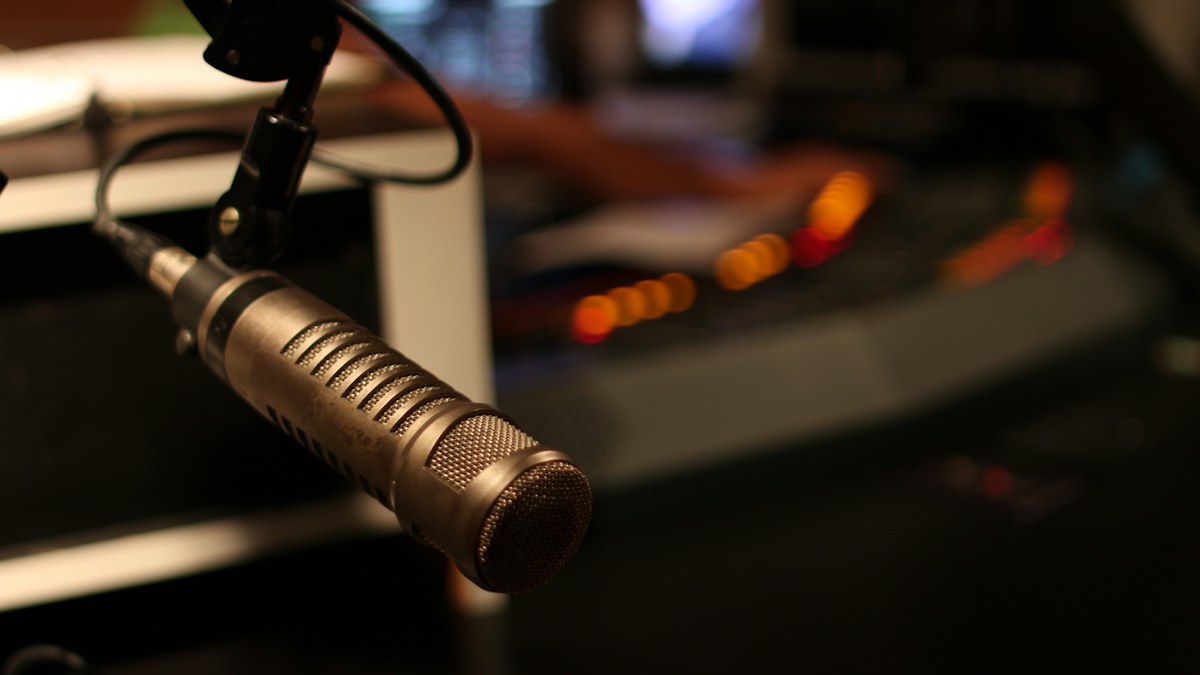
Illustrative microphone photograph: Jacob Hodgson / Unsplash.
TOKYO, Japan — The Tokyo District Court said a performer’s voice can receive publicity-rights protection, but rejected actor and voice performer Kenjiro Tsuda’s demand that TikTok remove videos using narration he said resembled his voice.
The September 30 judgment separates the potential protection of a commercially recognizable voice from whether this particular removal request could succeed.
The court’s statement on voice rights
In its reasoning, the court described a person’s voice, like their likeness, as a symbol of individual personality. It said unauthorized use of a performer’s voice can infringe publicity rights when the voice has customer-attracting value and the use is exclusively directed at exploiting that value.
Tsuda sought removal of 188 TikTok posts containing narrated videos. A linked site claimed the audio had been made using artificial intelligence, or AI, trained on a friend skilled at voice imitation rather than on Tsuda’s own voice. That was the account’s explanation, not a finding by the court resolving how the audio was produced.
Why the takedown claim failed
The court found that the uploader deleted the account on May 29, 2026, and that the account data, including the disputed posts, was removed from TikTok’s servers after June 28. It therefore held that TikTok had no remaining obligation to delete those posts.
The judges expressly declined further determination of the other disputed issues. The ruling does not establish that the narration actually cloned Tsuda’s voice, that the disputed use infringed his rights or that similar AI narration is universally lawful.
For broadcasters and voice talent, the distinction matters: the court recognized a possible basis for protecting a voice’s commercial identity, while the result in this case turned on material that had already been removed. This was a Japanese district-court decision, not a worldwide rule for synthetic voices.
Related coverage
Follow RNN’s coverage of artist rights and media legal developments.
Sources: Tokyo District Court — September 30 judgment, case Reiwa 7 (Wa) No. 70635 (Japanese) · Official case record.